Greening Grey Britain - Amberol’s advice features on Publicnet
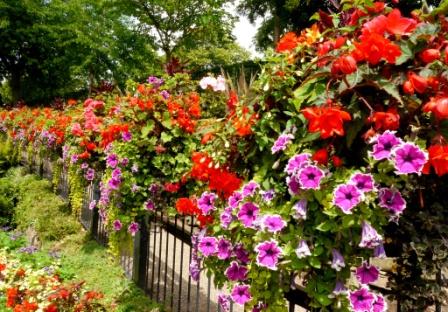
Think of the British landscape and what images do you conjure up? Miles of rolling green countryside, and stately homes amidst lush parkland – or featureless high streets with expanses of urban grey?
Of course, the UK is an intriguing mix of both and, whilst we need our commercial developments, motorways and shopping centres, there is a growing concern that the balance is tipping in favour of concrete over countryside. One trend causing concern is the practice of paving over front gardens to create car parking spaces, as increasing numbers of families have two or even three cars. Add to this the financial constraints that many parks departments and councils are facing, and it’s not surprising that Britain’s gardens and green places are at risk.
Campaigning for our green spaces
This growing imbalance is one of the reasons behind the latest RHS campaign: ‘Greening Grey Britain’, which aims to achieve the regeneration of over 6,000 neglected spaces by 2017. The campaign’s focus is on increasing, developing and maintaining green spaces in suburban and urban areas by encouraging planting in domestic gardens, parks, public spaces and community gardens – in fact, ‘wherever possible’.
Apart from being attractive to look at, preserving and increasing the number of green spaces has many significant social, economic and ecological benefits. Creating new green areas and planting extra vegetation, from bedding plants to hedges and trees, is acknowledged to improve air quality in urban areas as well as creating a range of diverse habitats for our indigenous wildlife.
Click here to read the rest of the article on Publicnet.