Litter – a problem for Europe
The EU referendum may have been occupying many minds of late, but Europe faces another challenge - the growing threat of litter.
An estimated 14 million tonnes of rubbish is collected from the streets of Europe every year. In response, the not-for-profit European Litter Prevention Association is raising awareness and suggesting activities to help achieve a litter-free Europe by 2030.
A survey carried out by Europe’s Environmental Strategy Framework division across 32 sites in Europe identified key areas where litter tends to accumulate. These include beaches close to towns or cities, commercial areas and highly populated cities, particularly in areas of poverty.
The problem has been exacerbated by unsustainable production and the changing consumption patterns of our throwaway society. So, if places really want to clean up their act, they need to ensure that they have an effective waste management strategy in place.
Patience Atkinson-Gregory, Amberol’s MD commented: “Litter is not a problem that is unique to the UK, although it does seem to be more prevalent in more densely populated areas. Our advice to most of the local authorities and organisations that we work with is to first identify where litter is a particular problem - and then look at ways that they can target those key areas.”
A European Commission survey in 2013 showed that 49 per cent of Europeans were aware of litter as a problem in their neighbourhood, and felt that it had a negative impact on community spirit, trust in local authorities and personal well-being.
Clean-up campaigns are one way that organisations have tried to raise awareness of the issue and establish good practice. These campaigns enable participants to see how much litter is being discarded, the ultimate aim being to help change people’s behaviour.
The European Parliament has pledged to review the funding available to EU cities for improving the management of waste, while the Clean Europe Charter of 2013 has also stated its aim to make littering socially unacceptable.
Closer to home, anti-litter organisations such as Keep Scotland Beautiful, Keep Britain Tidy, Keep Wales Tidy and the Marine Conservation Society as well as other national and regional anti-litter groups are working hard to change attitudes towards litter.
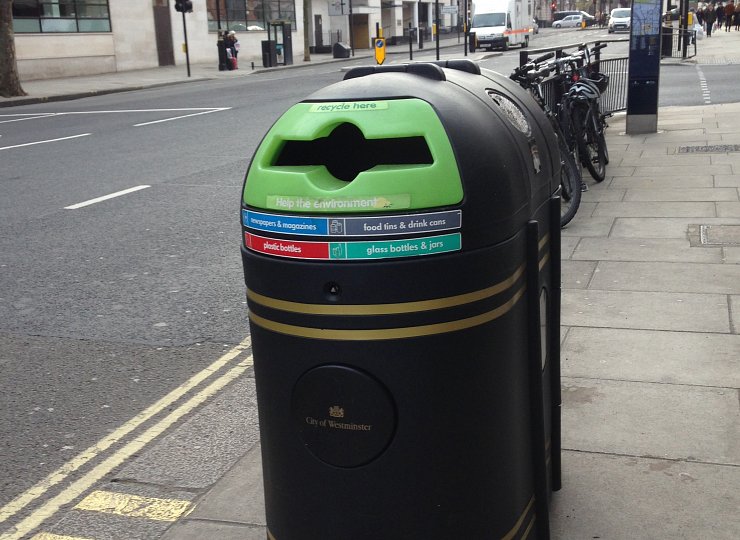
Having the right types of litter bins in the right location is a key part of any successful waste management strategy, which is why Amberol supply a wide range of litter bins of different shapes and sizes. Click here to see our range of litter bins, including recycling bins, outdoor bins, indoor bins and talking litter bins.


