Dealing with non-recyclable plastic
Recent research from the Local Government Association (LGA), found that around two-thirds of plastic set aside for recycling by UK householders ends up being burned or disposed of in landfill sites. Not only that, statistics from consumer watchdog Which show that 29% of plastic used by UK supermarkets is still non- recyclable or difficult to recycle.
A change in habits
The positive news is that more and more people are actually taking the trouble to recycle their plastic at home. Also, the popularity of Amberol’s indoor and outdoor recycling bins demonstrates the public’s increasing eagerness to recycle on the go. Indeed, each of our 900 Olympic Dual bins within the four square miles of Westminster has to be emptied 25 times a day to meet demand from those who regularly use them to recycle waste at source.
The issue for councils
The LGA is calling for the government to ban low grade plastics that are difficult or impossible to recycle. This is because, despite the combined efforts of councils and the public to take their recycling responsibilities seriously, they can only do so if the plastic being disposed of is suitable for recycling in the first place. In the meantime, they are also suggesting that manufacturers of non-recyclable plastics contribute to the cost of clearing up the waste they generate.
Encouraging manufacturers to change
Recently, crisp manufacturers Walkers have been under pressure to switch to more environmentally-friendly packaging. This is because although their crisp bags look like they are lined with foil, they are actually made with a metallised plastic film, meaning that none of the 11 million bags of crisps produced every day at their Leicester factory can be recycled. Walkers have pledged to make all their packaging recyclable, compostable or biodegradable by 2025, but many campaigners argue this is not soon enough, notably 14 and 12-year-old Amy and Ella Meek of Kids Against Plastic, who are urging Walkers to commit to doing more and sooner.
The UK Plastics Pact
Earlier this year, the UK Plastics Pact was launched. This voluntary pledge is designed to make a significant difference in cutting plastic waste. Tesco, Aldi, Lidl, Waitrose, Sainsbury’s and Morrison’s are among over 40 companies who have signed up to the scheme which has the ultimate aim of making all plastic packaging reusable, recyclable or compostable by 2025. Signs of improvement in the supermarkets include Waitrose’s commitment to eliminating hard-to-recycle black plastic packaging by 2019. However, critics say supermarkets are still far too secretive about their environmental policies and that the government should push on with possible plans to make them pay more towards collecting and recycling non-recyclable waste.
What about consumers?
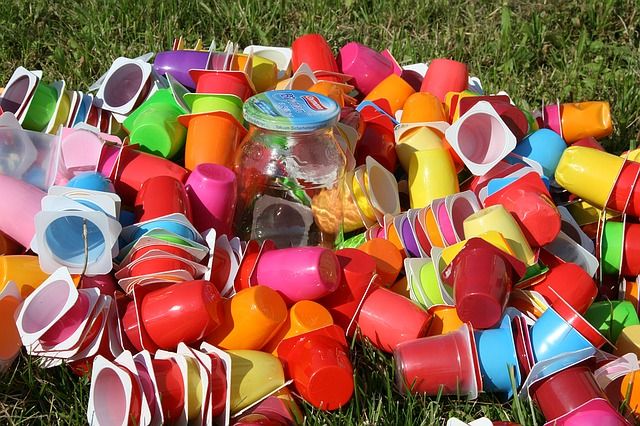
In addition to reducing our use of single-use plastic and recycling the plastic we do use, there is plenty we can do to address the issue of non-recyclable plastic in everyday life. When shopping, we can avoid food packaged in black plastic and other non-recyclable plastics including frozen food boxes coated in plastic, yoghurt pots and crisp bags. Also, getting into the habit of carrying a reusable coffee cup means there is no need to use disposable takeaway cups, the majority of which are still not recycled, again due to their plastic lining.
Making recycling accessible on the go
Amberol’s range of indoor and outdoor recycling bins is designed to meet the recycling needs of all kinds of public spaces. To find out more, email sales@amberol.co.uk or call 01773 830930.